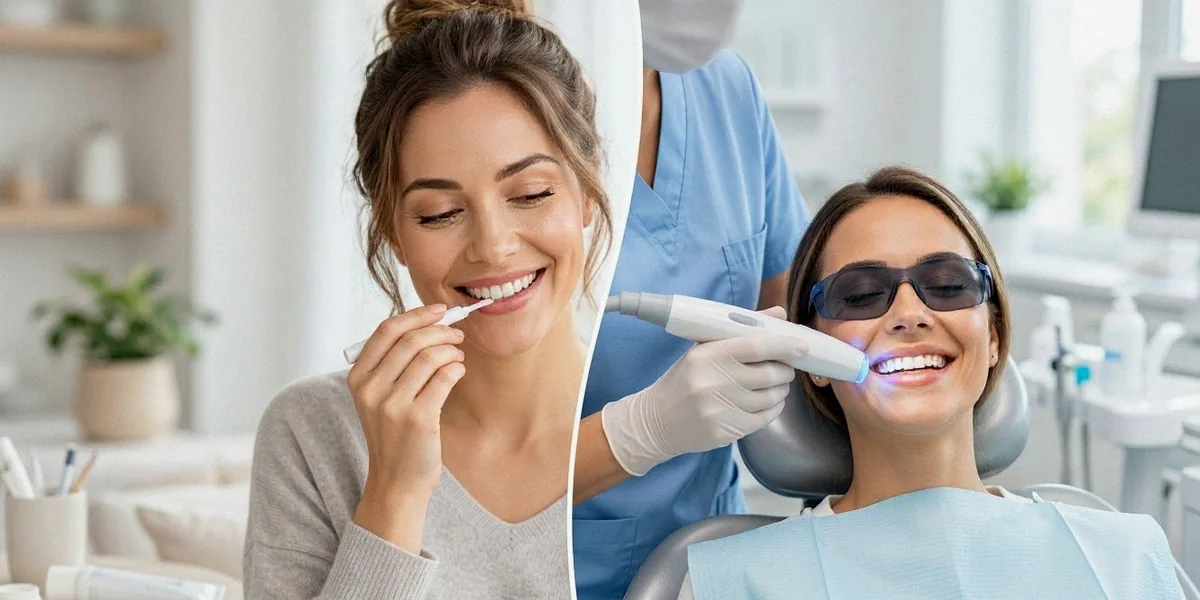
Teeth Whitening: Home vs Professional – What Our Manhattan Dental Team Recommends
We know that a bright smile matters to our patients from the UK, and we also know how confusing the whitening aisle can be. Should you trust a £20 kit from Boots, order Crest Whitestrips online, or book a professional treatment during a trip to Manhattan? As a cosmetic and general dentistry practice in New York, we see both sides of this debate every week, and our team is here to give you a straight answer. In this guide, we compare home whitening with professional whitening, explain the UK regulations that limit what you can buy over the counter, and share the post-op instructions we give our own patients so you can keep your results for longer.
Why Teeth Whitening Matters for Our UK Patients
Discolouration is one of the most common concerns we hear about, and it affects more than appearance. Patients tell us they cover their mouths when they laugh, avoid photos, or feel self-conscious in meetings. Many of our UK visitors ask specifically about staining from tea, coffee, and red wine, which are staples of daily life back home. It is also worth knowing that the NHS does not routinely cover cosmetic teeth whitening, so patients in the UK either pay privately or, increasingly, combine a holiday to New York with a dental appointment. That is why we take the time to explain every option clearly before anyone commits to treatment.
Common Causes of Tooth Discolouration
Teeth darken for two main reasons: surface stains and internal changes. Surface stains sit on the enamel and build up from everyday habits, while internal discolouration comes from ageing, trauma, or certain medications. The most common staining culprits we see in UK patients include:
- Tea and coffee, often several cups a day
- Red wine, especially full-bodied varieties
- Tobacco, whether smoked or chewed
- Dark sauces such as soy and balsamic vinegar
- Curry and other heavily pigmented foods
Most of these extrinsic stains respond very well to professional whitening, which is why we always ask about diet and lifestyle at consultation.
The Difference Between Whitening and Cleaning
Whitening and cleaning are not the same thing, and confusing them leads to disappointment. A scale and polish removes plaque, tartar, and surface stains, but it will not change the underlying colour of your teeth. Whitening uses peroxide-based gels to break down pigment inside the tooth structure. In practice, most patients benefit from both: a thorough clean first, then whitening for the shade change they actually want.
Home Whitening Kits: What You Need to Know
Over-the-counter kits are everywhere, from high-street chemists to online marketplaces. Popular UK home whitening brands include Oral-B 3D White and Crest Whitestrips (available online), but their lower strength means slower results. UK regulations limit over-the-counter whitening products to 0.1% hydrogen peroxide, while professional gels can contain up to 6% hydrogen peroxide for home use and up to 40% for in-office treatments. That is a huge difference, and it explains why a supermarket kit may take weeks to produce a change that a professional treatment achieves in a single visit.
Types of Home Kits (Strips, Trays, Pens)
Home products generally fall into three categories, each with trade-offs:
- Strips – thin, flexible and easy to use, but they do not always reach the edges of the teeth or the gaps between them.
- Boil-and-bite trays – one-size trays softened in hot water; convenient, but the fit is approximate and gel can leak onto the gums.
- Whitening pens – useful for touch-ups on the go, but the gel concentration is very low and coverage is uneven.
Risks of Improper Use
Even low-strength kits carry risks when used incorrectly. Overuse can irritate the gums, cause temporary sensitivity, or leave uneven patches where the gel has not been applied evenly. We have also seen patients use multiple products at once, which compounds irritation without improving results. If you have untreated cavities, gum disease, or exposed roots, whitening can make matters worse, which is why a dental check-up should come first.
Realistic Results from Home Whitening
With consistent use, a good over-the-counter kit may lighten teeth by one or two shades over several weeks. That can be enough for mild staining, but it rarely delivers the dramatic change most patients picture. If your goal is a noticeably brighter smile before a wedding or holiday, a home kit alone is unlikely to get you there.
Professional Whitening in Manhattan: Our In-Office Approach
In our practice, professional whitening starts with a full assessment and a custom plan. We use custom-fitted trays and high-concentration gels under supervision, often with brands like Zoom! or Opalescence. A single in-office visit can lighten teeth by several shades, and because the trays are made from an impression of your teeth, the gel stays where it should and the gums are protected.
The In-Office Whitening Procedure
Your appointment begins with a check-up and a shade record so we can measure the change afterwards. We protect the gums with a barrier, apply the whitening gel, and activate it according to the product protocol. You relax while the gel works, and we repeat the cycles as needed. Most patients are in the chair for around 60 to 90 minutes and walk out with a visibly brighter smile the same day.
Take-Home Trays from Your Dentist
Many patients choose a combination approach: an in-office session for the initial lift, followed by custom take-home trays for top-ups. These trays use gels of up to 6% hydrogen peroxide, which is far stronger than anything available over the counter in the UK, yet still used under our supervision with clear instructions.
Safety and Sensitivity Management
Sensitivity is the most common side effect of any whitening treatment, professional or otherwise. We manage it by checking enamel health beforehand, using desensitising agents during treatment, and giving every patient written aftercare guidance. If you know your teeth are sensitive, tell us at consultation so we can adjust the protocol.
Home vs Professional: A Side-by-Side Comparison
Neither option is wrong, but they suit different needs. Here is how they compare on the points patients ask us about most.
Cost and Value for Money
A UK home kit typically costs £20 to £50, while professional whitening in Manhattan is a larger investment. The value question is about results per pound: a kit that produces a one-shade change over a month may end up costing more than a single professional session that delivers several shades in one appointment, especially if you are travelling and want results during your trip.
Time Commitment and Convenience
Home kits win on convenience: you whiten at home, on your own schedule. Professional treatment wins on speed: one visit, one result. UK patients flying to NYC for a trip might combine a holiday with a dental visit, but follow-up care matters, so we always plan top-ups and check-ins before you fly home.
Effectiveness and Longevity
Professional whitening generally produces a greater shade change and lasts longer, particularly when supported by good oral hygiene and sensible dietary habits. Home kits can maintain a result between professional sessions, but they are less effective as a standalone solution for significant staining.
Aftercare and Post-Op Instructions for Whiter Teeth
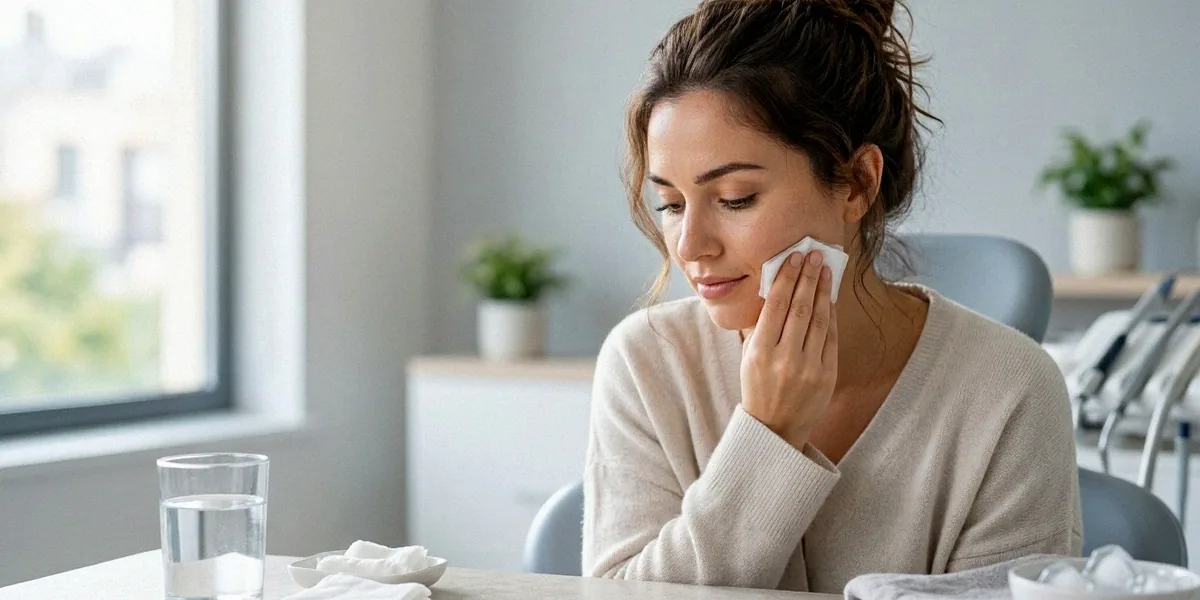
What you do after whitening matters as much as the treatment itself. Our post-op instructions are simple, and we give them to every patient in writing.
Dietary Advice After Whitening
For the first 48 hours, avoid staining foods and drinks. That means no tea, coffee, red wine, cola, dark sauces, curry, or berries. Stick to water, milk, and light-coloured foods. If you must have tea, drink it through a straw and rinse afterwards.
Managing Sensitivity
Desensitising toothpastes such as Sensodyne are widely available in the UK and recommended after whitening to manage sensitivity. Use a soft-bristled brush, avoid very hot or cold drinks for a few days, and contact us if discomfort persists beyond a week.
Maintaining Your Results
Regular dental care is the foundation of long-lasting whitening. Keep up your check-ups and hygiene appointments, use your take-home trays for occasional top-ups, and consider reducing tea, coffee, and tobacco where possible. Most patients find a top-up every six to twelve months keeps their smile where they want it.
Your First Dental Visit and Whitening Consultation
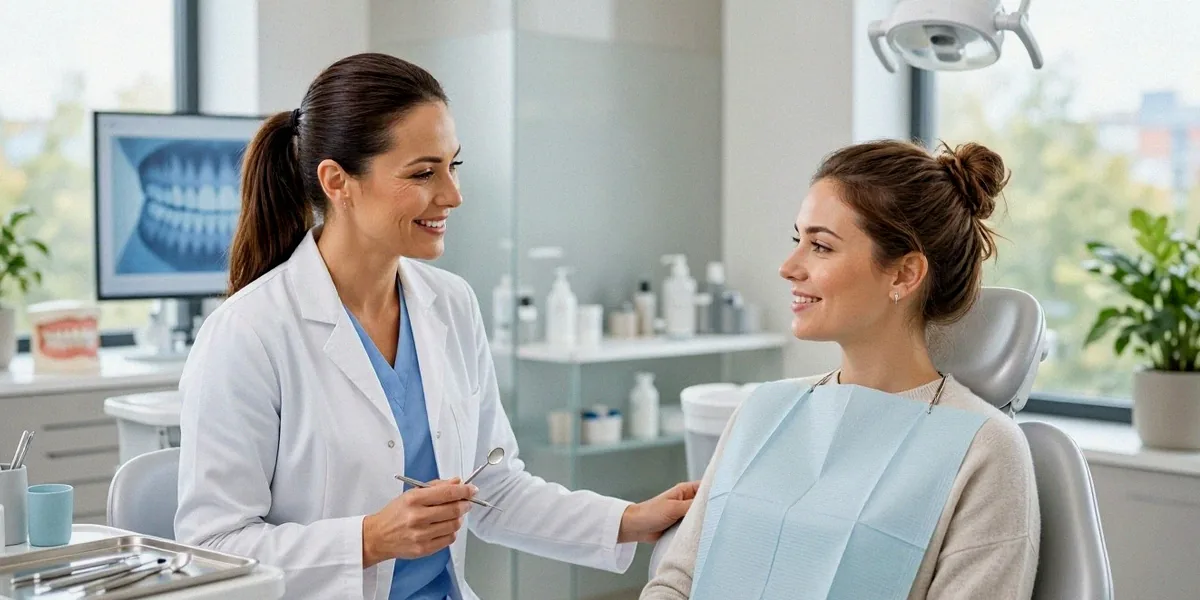
If you are considering whitening, the first step is a proper examination. At your first dental visit, we check for cavities, gum disease, and other issues that need addressing before any cosmetic treatment. We welcome UK visitors and expats at our Manhattan practice and are used to working around travel schedules.
What to Expect at Your Consultation
We review your dental history, take X-rays if needed, record your current shade, and discuss your goals. You will leave knowing whether whitening is suitable, which approach we recommend, and what it will cost.
Custom Treatment Planning
No two smiles are the same, so we tailor the plan to your enamel, sensitivity, and timeline. Some patients need a clean and a small filling first; others are ready for whitening straight away.
Booking Your Appointment
Contact our team to arrange a consultation, whether you are local to New York or planning a visit from the UK. We will confirm availability and explain everything you need to know before you arrive.
FAQ
Is professional teeth whitening available on the NHS?
No. The NHS does not routinely provide cosmetic teeth whitening, so patients in the UK either pay privately or seek treatment abroad, including during trips to New York.
Can I use Crest Whitestrips or Oral-B 3D White instead of professional treatment?
You can, and they are safe when used as directed, but UK regulations cap over-the-counter products at 0.1% hydrogen peroxide. That means slower, milder results compared with professional gels of up to 6% for home use and up to 40% in office.
How long do professional whitening results last?
Typically six months to two years, depending on your diet and habits. Regular hygiene visits and occasional top-ups with custom trays help extend the result.
Will whitening damage my enamel?
When supervised by a dentist and used correctly, whitening is safe. The main side effect is temporary sensitivity, which we manage with desensitising toothpaste such as Sensodyne and a tailored protocol.
Can I combine a holiday in NYC with a dental appointment?
Yes, many UK patients do. We recommend booking a consultation early in your trip so there is time for treatment and a review before you fly home.
Home kits offer convenience and a low entry price, but professional whitening under a Manhattan dentist’s supervision delivers safer, more dramatic, and longer-lasting results. If you want a brighter smile without guesswork, book a consultation with our team and we will build a plan around your teeth, your schedule, and your goals.


Publicar comentario